
Enterprise IT Project Delivery
From scope to operations
Starting with the IT challenges of a new build, a modernization project or day-to-day operations, we clarify requirements, turn the design into a workable plan, coordinate specialist implementation and carry the result into operations. Yuqi Intelligent connects site work, IT planning, a six-dimension assessment and a four-layer architecture into one accountable delivery path.
Enterprise IT challenges take more than one form
A new build can suffer from unclear designs, cost drift and divided ownership. Modernization must protect live services while reusing assets and retraining teams. In steady-state operations, small issues accumulate when responsibilities are unclear. One coordinated delivery team addresses all three situations.

Complexity in a new build
Drawings, bills of materials, schedules, equipment and staffing can tell different stories. Verbal decisions made in meetings then fall apart on site.
- Design and site conditions diverge without a defensible cost baseline
- Equipment arrivals do not match the work sequence
- Unclear subcontractor boundaries delay the schedule
- Acceptance criteria arrive only after go-live

Modernizing legacy systems
Existing assets can be valuable and constraining at the same time. Services depend on equipment that must be reused or replaced within a narrow maintenance window.
- Business continuity is at risk without a rollback plan
- Data migration and interface redesign carry hidden effort
- Mixed protocols complicate consistent security policy
- Key operational knowledge is concentrated in too few people

Recurring operational friction
Small weekly issues go unrecorded, asset registers drift from actual equipment and troubleshooting depends on individual experience.
- Without monitoring, users report failures first
- Missing spares turn restoration into urgent procurement
- Unrecorded changes make configuration drift hard to reverse
- Operating procedures and team responsibilities do not align
Examine the problem from six angles
Enterprise IT is not just a procurement list or a software rollout. It is a set of dependencies from business processes to infrastructure. We examine six dimensions before deciding what to change first.
Business processes
Trace each workflow back to its business objective before matching it to system capabilities.
Organizational coordination
Define the boundaries, information flow and decisions shared by business teams, IT teams and external suppliers.
Business applications
Review the functions, interfaces, data flows and modernization priorities of OA, ERP, MES and custom applications.
Data assets
Map master data, metadata, quality, lineage and ownership so operations and decisions rely on trustworthy information.
Infrastructure
Assess server rooms, networks, compute, storage and endpoints, including physical and virtual assets and their lifecycles.
Operational capability
Monitoring, alerts, changes, spares and incident response are what keep a system reliable after go-live.
Four layers, from site to control room
We organize enterprise IT delivery into four connected layers. Each has its own inputs, outputs and accountable owners; explicit interfaces let teams work in parallel and trace responsibility.
- Governance:architecture standards, compliance, change control and supplier boundaries
- Business:processes, teams, applications and customer-facing deliverables
- Capability:data, platforms, integration, identity and security
- Infrastructure:facilities, networks, compute, endpoints and operations
Six stages, from requirements to operations
We break an enterprise IT program into six deliverable stages. Each stage has a defined entry, output and owner, while the customer can review progress and agree changes in priority or scope.
Requirements assessment · understand before acting
A six-dimension checklist, site interviews and asset inventory produce an assessment report covering issues, risks and opportunities.
Solution design · make it implementable
Architecture and topology diagrams, work packages, equipment lists, budget details and milestones are documented against the agreed scope.
Site delivery · crews agreed per project
Site survey, work plan, staffing, shifts, safety briefing and acceptance at critical milestones.
Go-live cutover · protect operations
Plan data migration, staged cutover, rollback, parallel operations and user training to contain the go-live risk window.
Handover and acceptance · verify each item
Accept each deliverable against the checklist: documentation, source code where applicable, accounts, spares and training records.
Managed operations · support what follows
Within agreed service hours, monitoring, alert response, inspections, change control and response drills support verifiable operations after go-live.
A deliverables checklist— each item can be verified
A project is not complete at contract signature. It must deliver documentation, working systems and operational capability. Four groups of deliverables keep the handover aligned with the agreement.
Assessment and design documents
- Six-dimension assessment report
- Architecture blueprint and topology
- Equipment and work-package lists
- Milestones and budget
- Risk and rollback plans
Systems and platforms
- Server-room and structured cabling
- Network and security policies
- Servers / storage / backup
- Business-system integration
- Monitoring and operations platform
Knowledge and training
- Operations handbook
- Incident response plan
- User training records
- Administrator training and practical sign-off
- Knowledge base
Operations and response
- Service hours by agreement
- Response targets by agreement
- Scheduled inspection reports
- Change and rollback records
- Spares and on-site service
Enterprise IT delivery— what the customer receives
The goal is not merely to launch another system. It is to reduce friction between business, IT and the organization. The before-and-after examples below describe possible operating changes; any measurable targets follow the assessment.
// BEFORE
- IT issues are spread across several suppliers with no clear lead
- Plans remain in slide decks and implementation relies on verbal coordination
- Budget and schedule variances have no shared record
- Troubleshooting depends on experience and recovery time is uncertain
- The asset register does not match the site
- Changes are improvised without a rollback path
// AFTER
- An accountable lead links requirements, design, implementation and operations
- Plans become checklists and milestones tied to the agreement
- Project-specific cost and schedule targets are tracked for variance
- Agreed service targets and recovery records support diagnosis
- Asset records are maintained and exportable for review
- Changes follow approval, rollback and rehearsal procedures
Clear delivery roles, turn the plan into site work
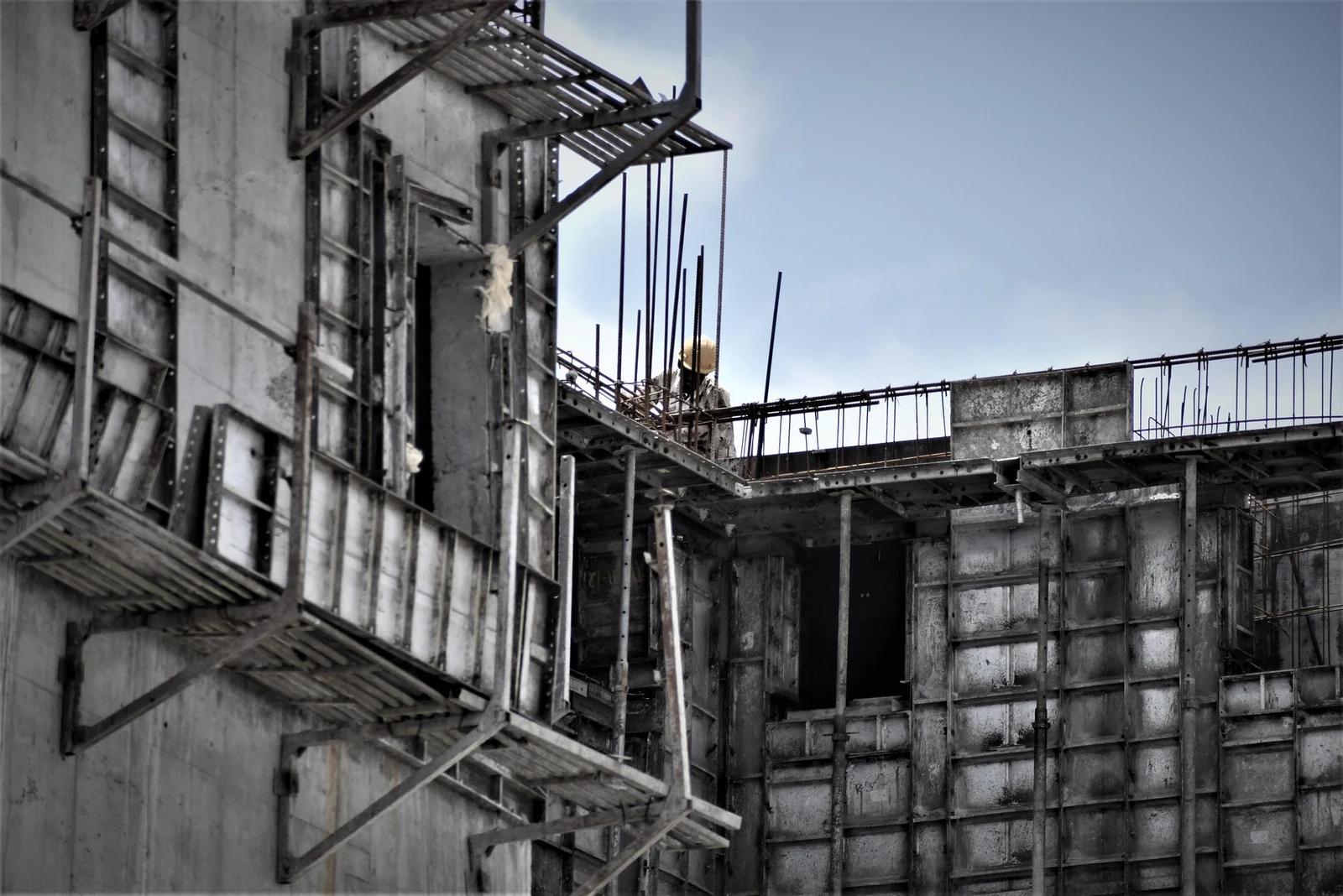
Enterprise IT projects often fail at the last mile when a sound design is not backed by site coordination. We agree crew composition, specialist roles and on-site presence for each project, then assign acceptance responsibility at key milestones.


Five scenarios, one coordinated approach
Organizations may be building, modernizing, expanding, consolidating or operating at steady state. These five scenarios organize the work into repeatable delivery paths.
IT for a new facility
Coordinate drawings, server rooms and ERP alongside the building program.
Legacy server-room modernization
Plan rack moves, cabling and power upgrades around live operations.
Multi-site networking
Connect headquarters and branches securely with consistent management.
Business-system go-live
Deploy and integrate ERP, MES, OA and custom systems through a controlled cutover.
Ongoing managed operations
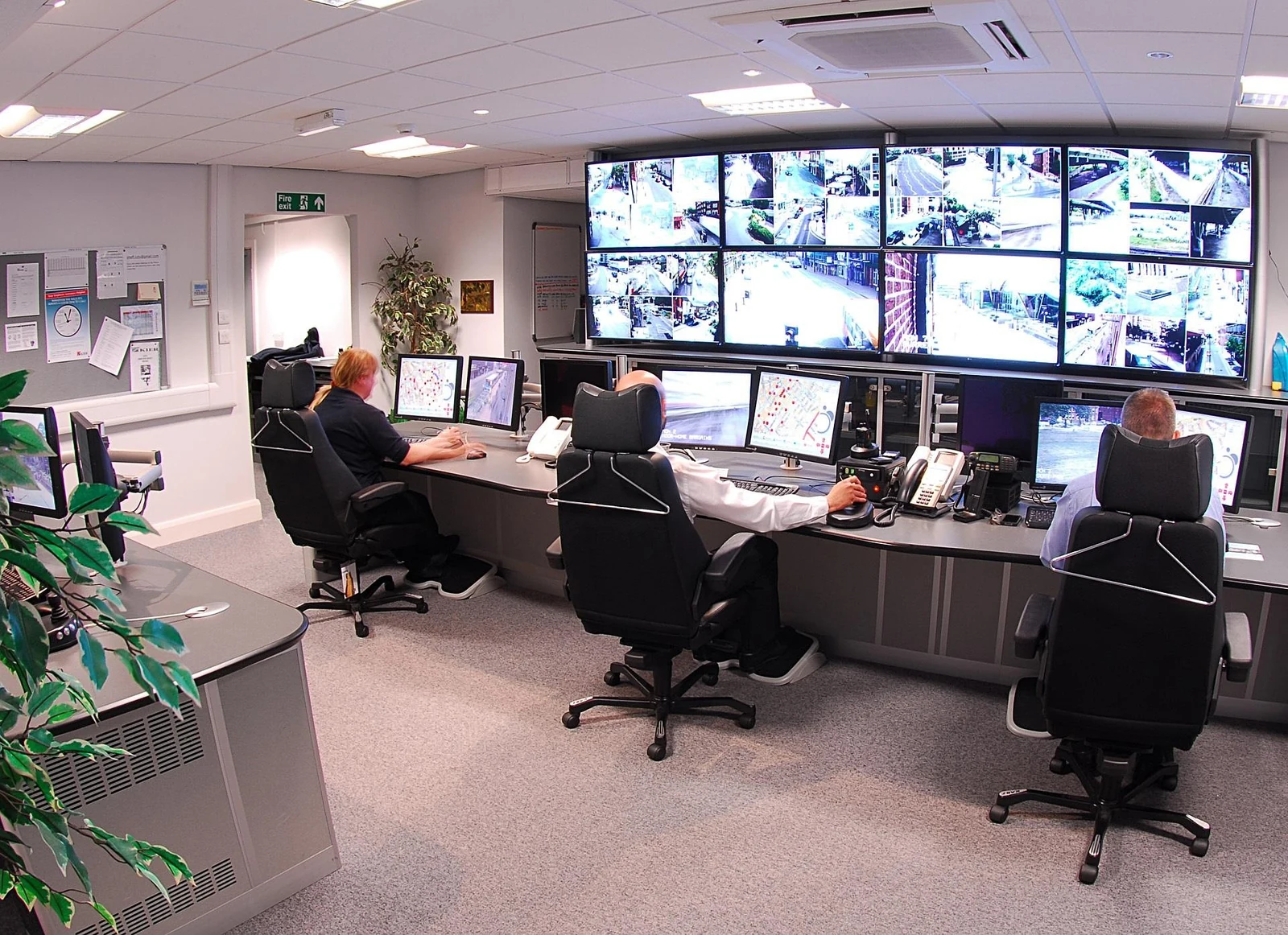
Monitor, respond to alerts, inspect and handle incidents during agreed service hours.
Different scenarios, different delivery and acceptance paths

New facility · enterprise IT planning
Begin at the drawing stage and coordinate server rooms, cabling, networking, security and ERP/MES integration with the building schedule.

Legacy server room · live modernization
Plan rack moves, cabling, power upgrades and security cutover around continuity requirements. Zero interruption must be demonstrated through drills and acceptance records.

Multi-site networking · unified control
Plan secure headquarters-to-branch connectivity, SD-WAN, zero-trust controls and shared monitoring. Confirm site count and coverage in the project inventory.

Business systems · go-live integration
Plan clustered deployment, staged cutover, rollback and parallel operations for core systems. Validate the window through rehearsals and acceptance records.

Managed operations · agreed service hours
Provide monitoring, alert response, inspections, change management and drills during contracted hours. Availability targets depend on the actual baseline and acceptance records.
IT consulting · data governance
Review master data, metadata platforms and data-quality dashboards to support BI and decision-making.
Three engagement models, matched to your needs
Advisory, project delivery and managed operations can be contracted separately or combined, according to the organization's stage and scope.
Advisory
For organizations that need clarity before implementation. The output is a documented assessment, with no system changes.
- Six-dimension assessment report
- Architecture blueprint and topology
- Equipment / work / budget lists
- Milestones and risk plans
Project delivery
For defined new-build, modernization or go-live work. Scope, contract and milestone payments are agreed in advance.
- All advisory deliverables
- Crew composition by scope
- Equipment sourcing and delivery coordination
- Cutover and user training
- Acceptance and agreed warranty support
Managed operations
For day-to-day operation of existing systems, with monthly or quarterly terms and contracted service levels.
- Service hours by contract
- Response targets by contract
- Scheduled inspection reports
- Change and rollback management
- Spares and on-site service
Common questions, answered up front
How does IT infrastructure construction differ from enterprise IT modernization?
Infrastructure work focuses on physical facilities, networks, equipment and installation. Enterprise IT modernization also addresses processes, applications, data and coordination. This service connects both, from the server room to data governance.
Can you work with our existing IT suppliers?
Yes. We can coordinate multiple suppliers as a lead contractor or take responsibility for a defined work package such as server-room works, cabling or managed operations. We recommend the model after assessing the scope.
How is the site delivery team staffed?
Crews are assigned according to discipline, location and project scope. Before work begins, we confirm subcontracting arrangements, the site lead and acceptance owners for each key milestone.
What if operations cannot stop during modernization?
We plan staged cutover, rollback and a parallel-run period. Changes are rehearsed in a test environment, introduced to a limited scope and then expanded, with rollback paths tested within the agreed maintenance window.
How are service levels agreed?
The contract specifies service hours, incident priorities, response targets, on-site support and fees, together with escalation, recovery verification and change procedures.
How do we start working together?
We start with a site assessment. A project manager and consultant discuss the need, then conduct interviews and inventory as agreed. Scope, duration and fees are confirmed before work starts.
Request an on-site assessment
Complete the form and a project manager will contact you. We can begin online, then agree assessment timing, implementation windows and fees based on the site scope.