

What Businesses Can Learn from AI Agent Incident Reporting Proposals
AI agent incident reporting highlights a practical need: record agent identity, permissions, tool calls, approvals, outcomes, failures, and response actions.
Read ArticleContent Archive
Browse published content in this category with the original dates.
From current-state review to post-delivery operational support.
AI agent incident reporting highlights a practical need: record agent identity, permissions, tool calls, approvals, outcomes, failures, and response actions.
Read Article
Review AI meeting minutes for decisions, action items, owners, deadlines, uncertainty, sensitive information, approval, and source traceability.
Read Article
Before AI-extracted purchase orders enter business systems, validate supplier, master data, amounts, duplicates, approval, source evidence, and exceptions.
Read Article
Prevent AI quotation errors by controlling price-list versions, units, tax, discounts, deterministic calculations, exceptions, and approval.
Read Article
Control AI actions that send messages, change data, call systems, or create commitments with least privilege, approval, logs, pause, and rollback.
Read Article
Before using public AI with contracts or customer data, check authorization, minimum necessary data, tool terms, retention, access, and human review.
Read Article
Before automating after-sales work orders, standardize customer, asset, work-order, and responsibility identifiers to prevent duplicate and mismatched records.
Read Article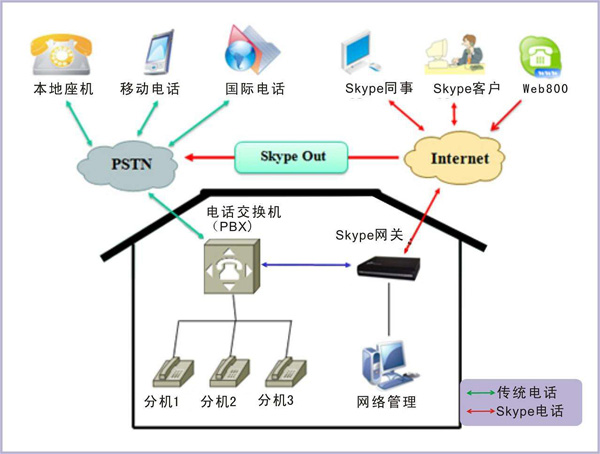
Telephone exchange systems connect internal extensions, external lines and related communication services.
Read Article
A structured documentation index helps teams locate operating instructions for retained equipment and systems.
Read Article
Structured cabling organizes copper, fiber, cabinets and outlets into a documented enterprise network foundation.
Read Article