A — BRAND
Brand promotion
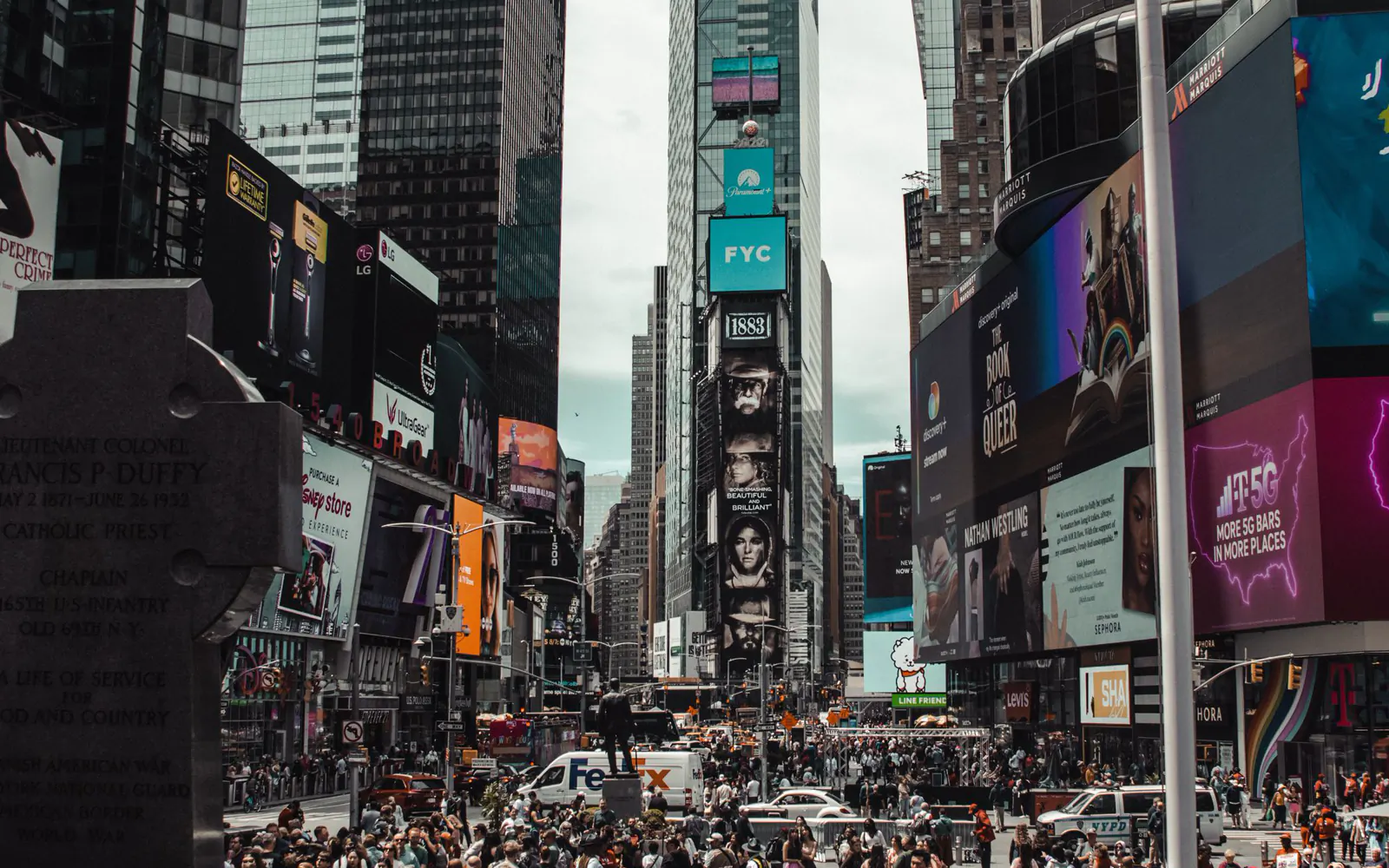
Extend the brand from screens into physical spaces instead of creating disconnected experiences.
Brand · Space · Event
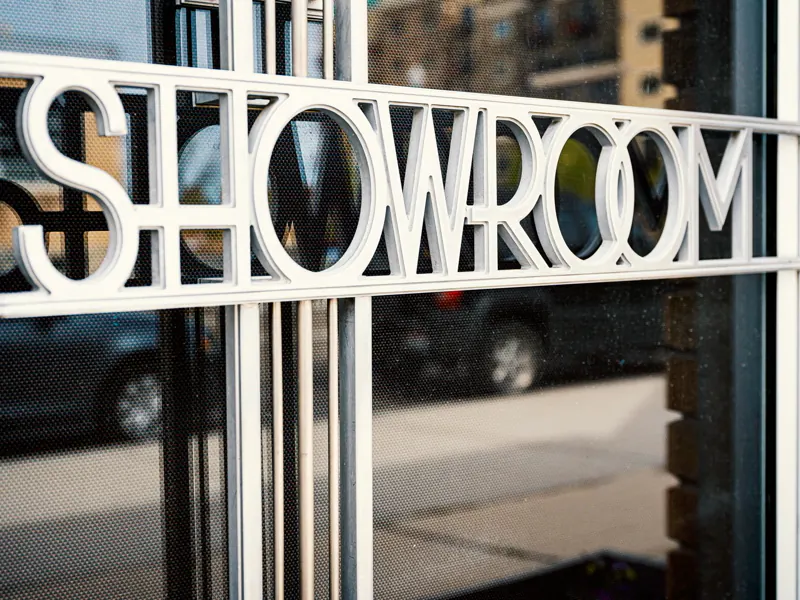
Brand promotion, exhibition-stand and showroom design/build, and corporate-event planning and execution. Design, engineering and construction can be coordinated by one project team as agreed. The deliverable is a built space with working systems, not just a rendering.
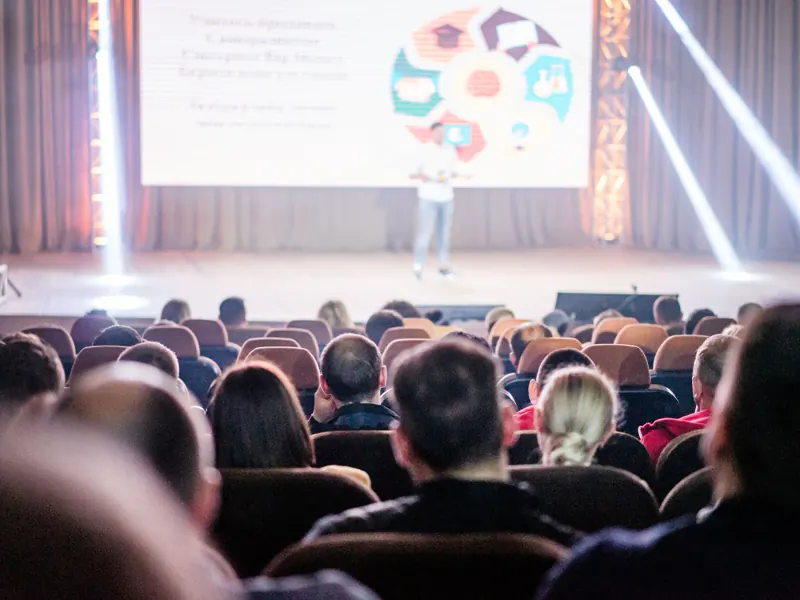
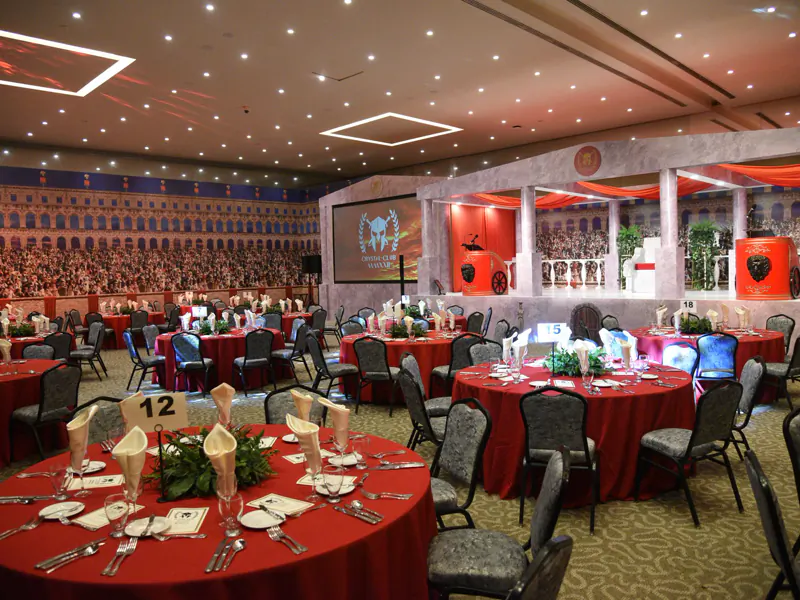
One project team can coordinate all three service lines to a shared schedule; the collaboration model and scope are agreed per project.Images are illustrative and do not represent publicly disclosed Yuqi cases or client results.
A — BRAND
Extend the brand from screens into physical spaces instead of creating disconnected experiences.
B — EXHIBITION
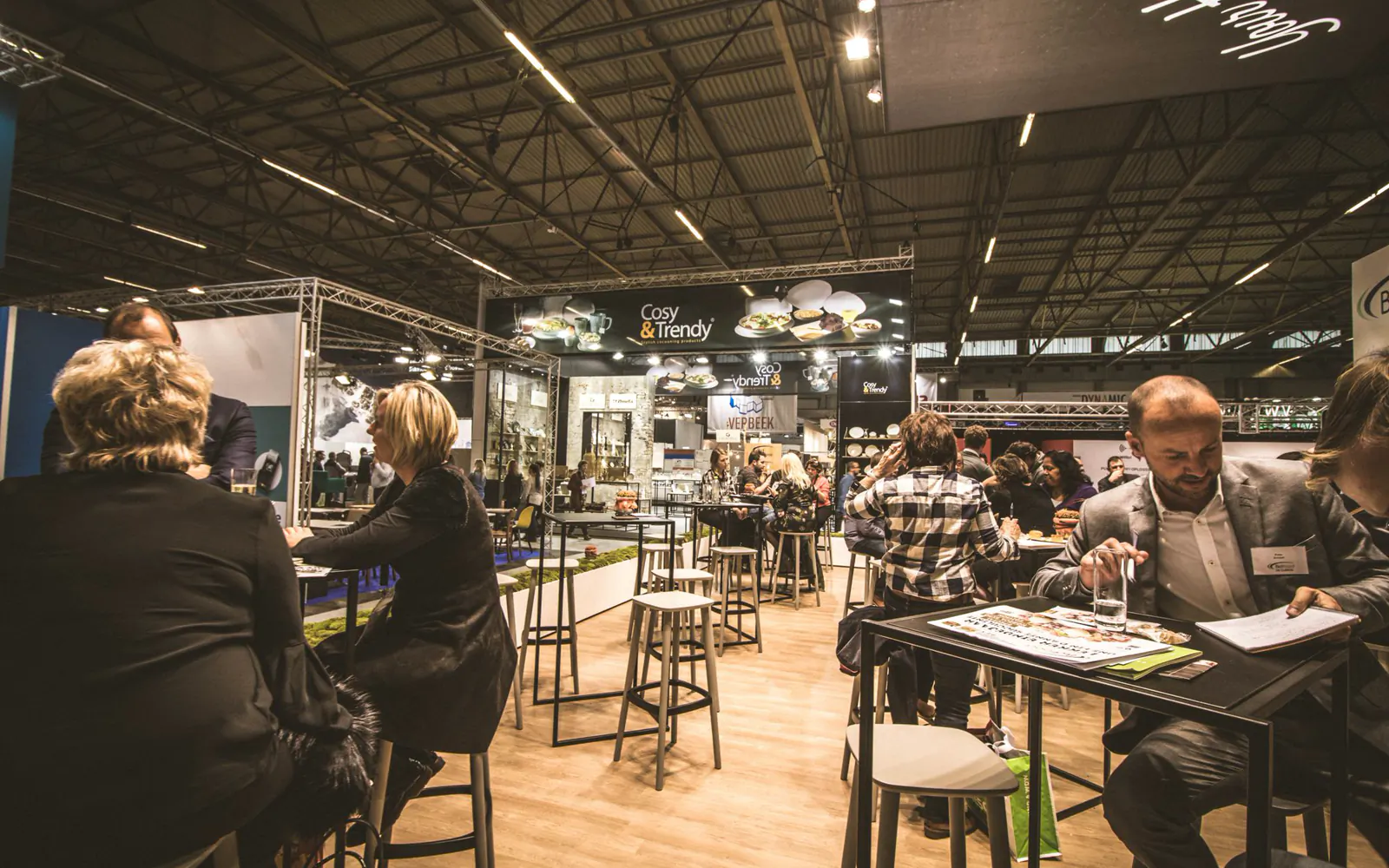
From concept to implementation, construction drawings and equipment locations are delivered together.
C — EVENT
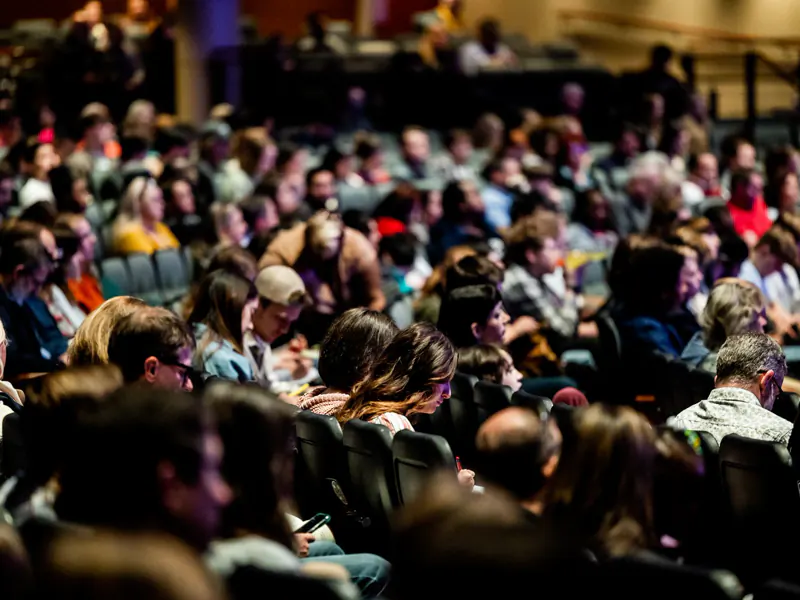
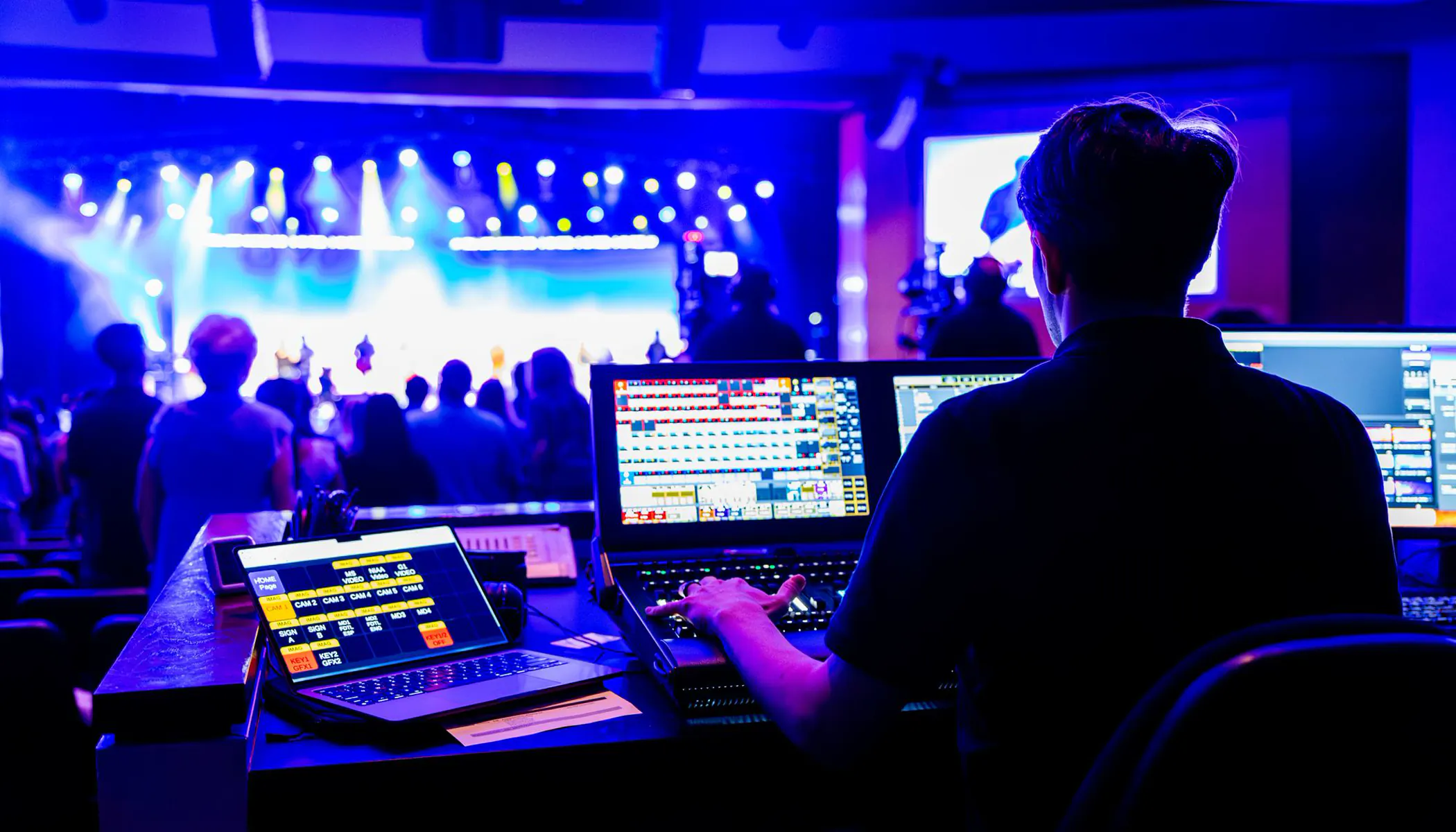
From creative concept through on-site execution, one project team can coordinate rehearsals, technical support and contingency plans as agreed.
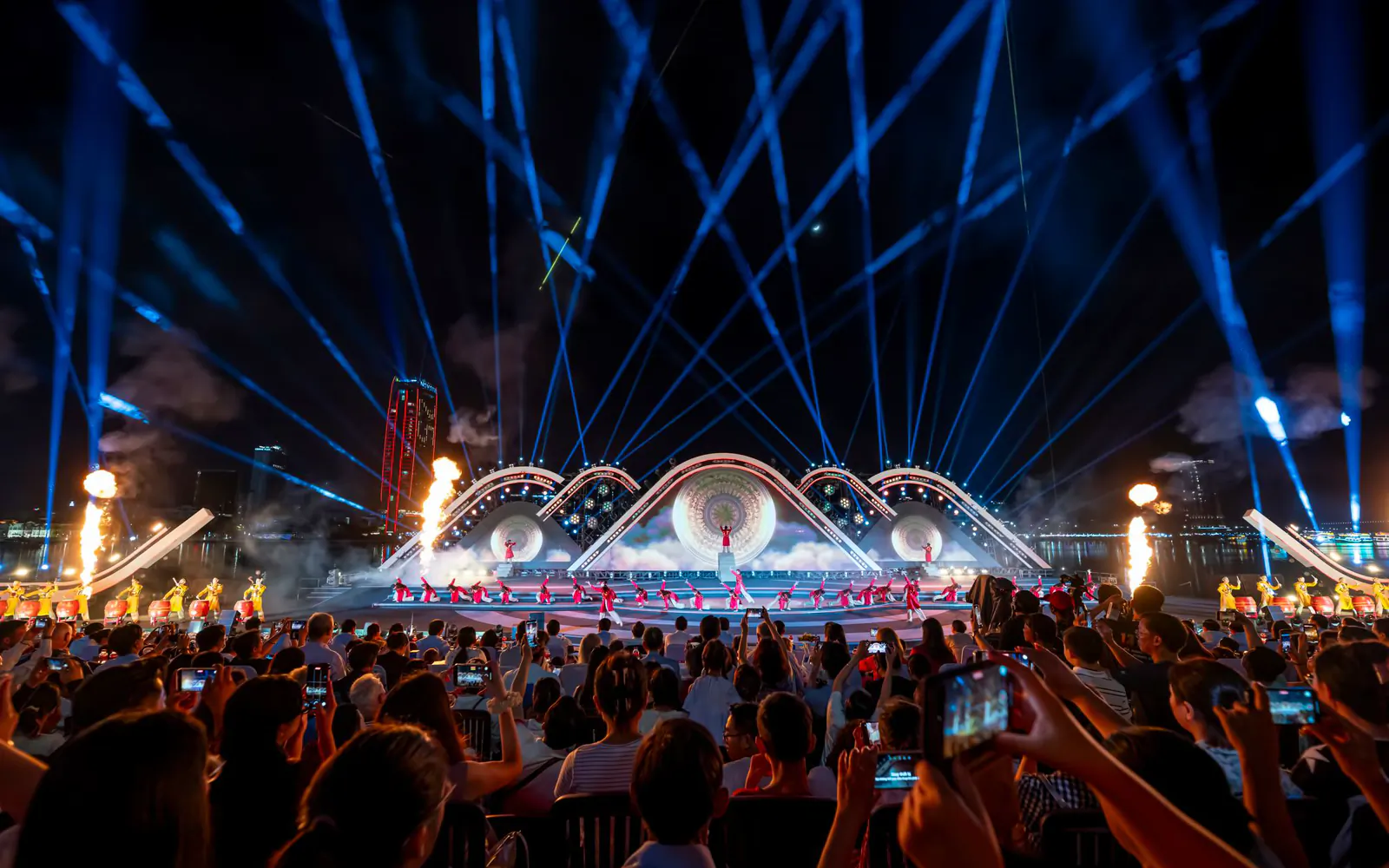
Design, build, screens, audio, networking and event execution — six workstreams can be coordinated by one project team, with scope agreed per project.The topology comparison illustrates a collaboration model, not a fixed delivery commitment.
Typical approachCoordinate separately
Six contracts · fragmented responsibility
Yuqi IntelligentOne project team
One contract · project lead confirmed per project
Yuqi Intelligent is an IT and smart-systems engineering company. Screen, lighting, audio, network and control-system locations are coordinated with the structure during design, not added as an afterthought on site.Control-room readings, logs and animations are demo data, not actual project metrics.
Prepare content to match display resolution and viewing distance.
Coordinate selection of LED displays, video walls, signage and playback systems.
Commission front lighting, line arrays and conference systems together.
In-house delivery of wired and wireless networking, power distribution and low-voltage systems.
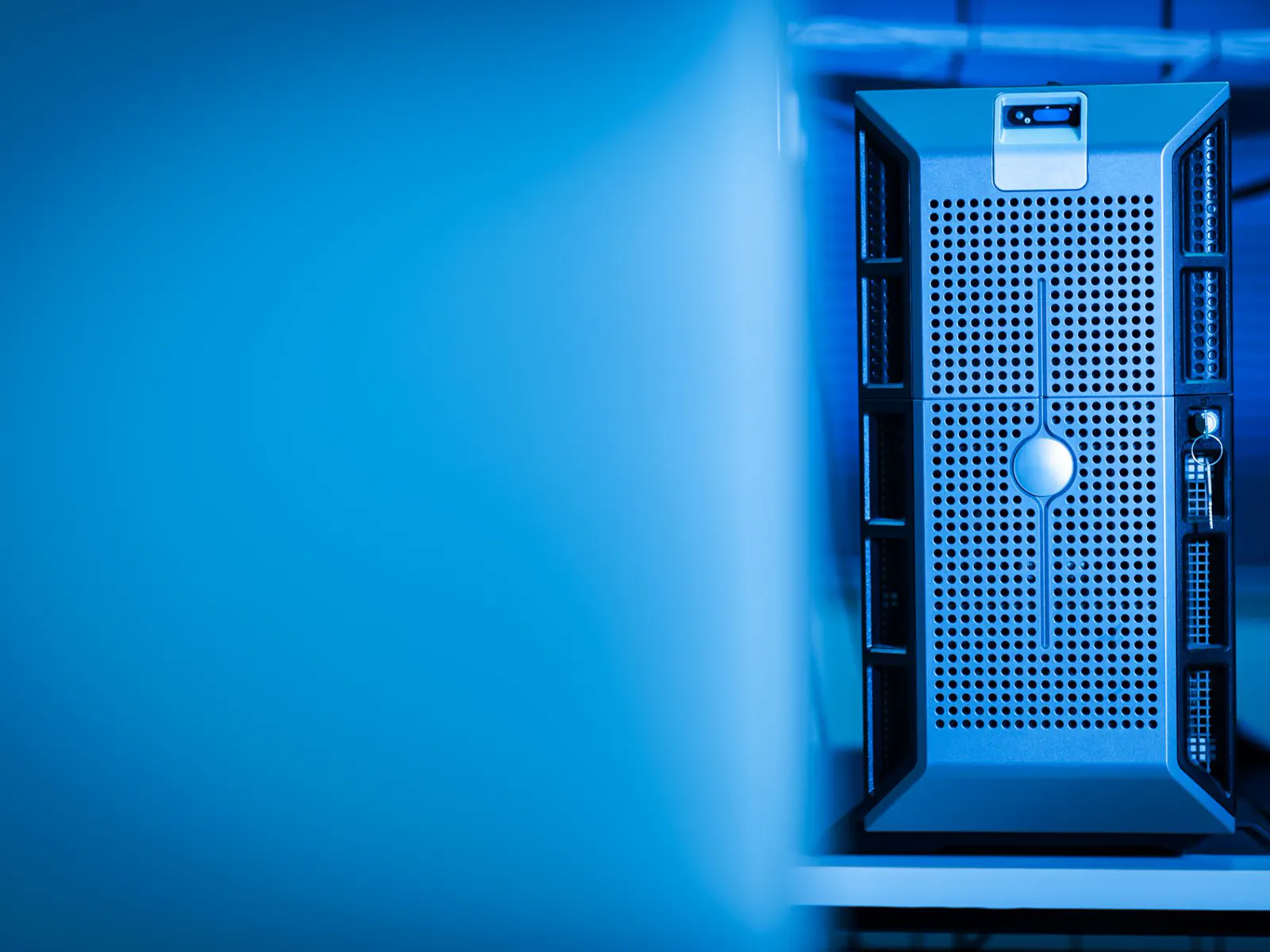
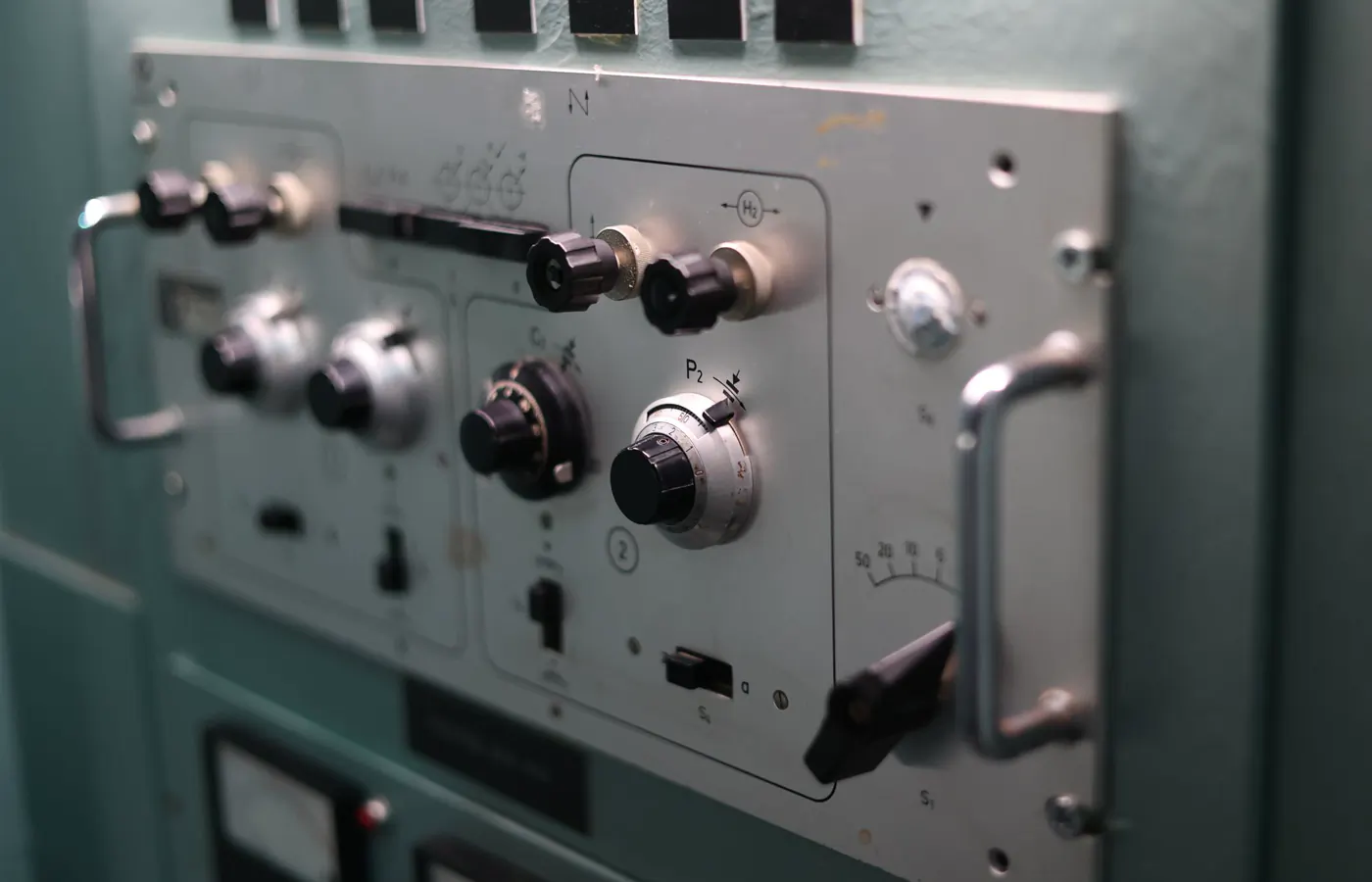
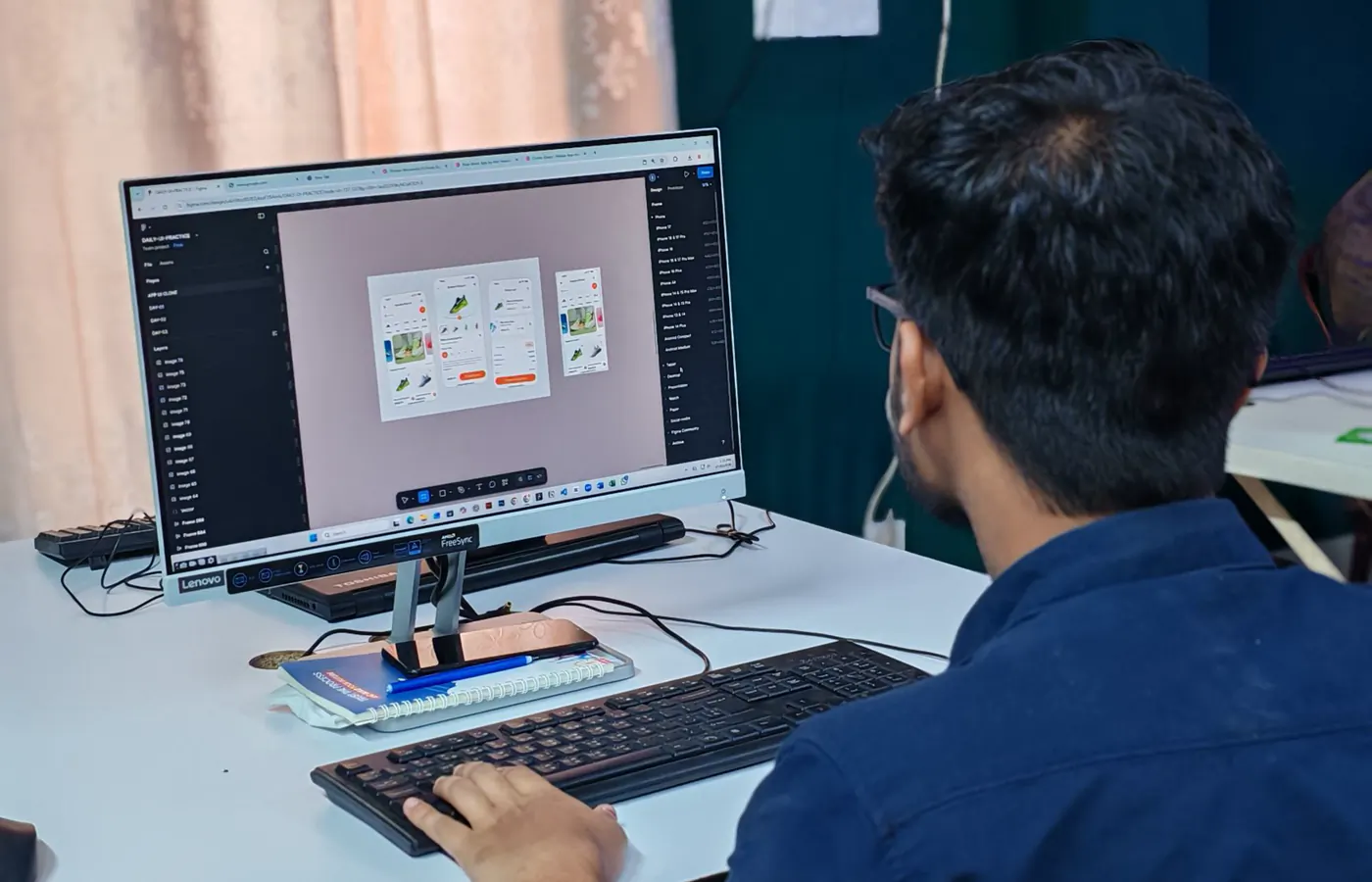
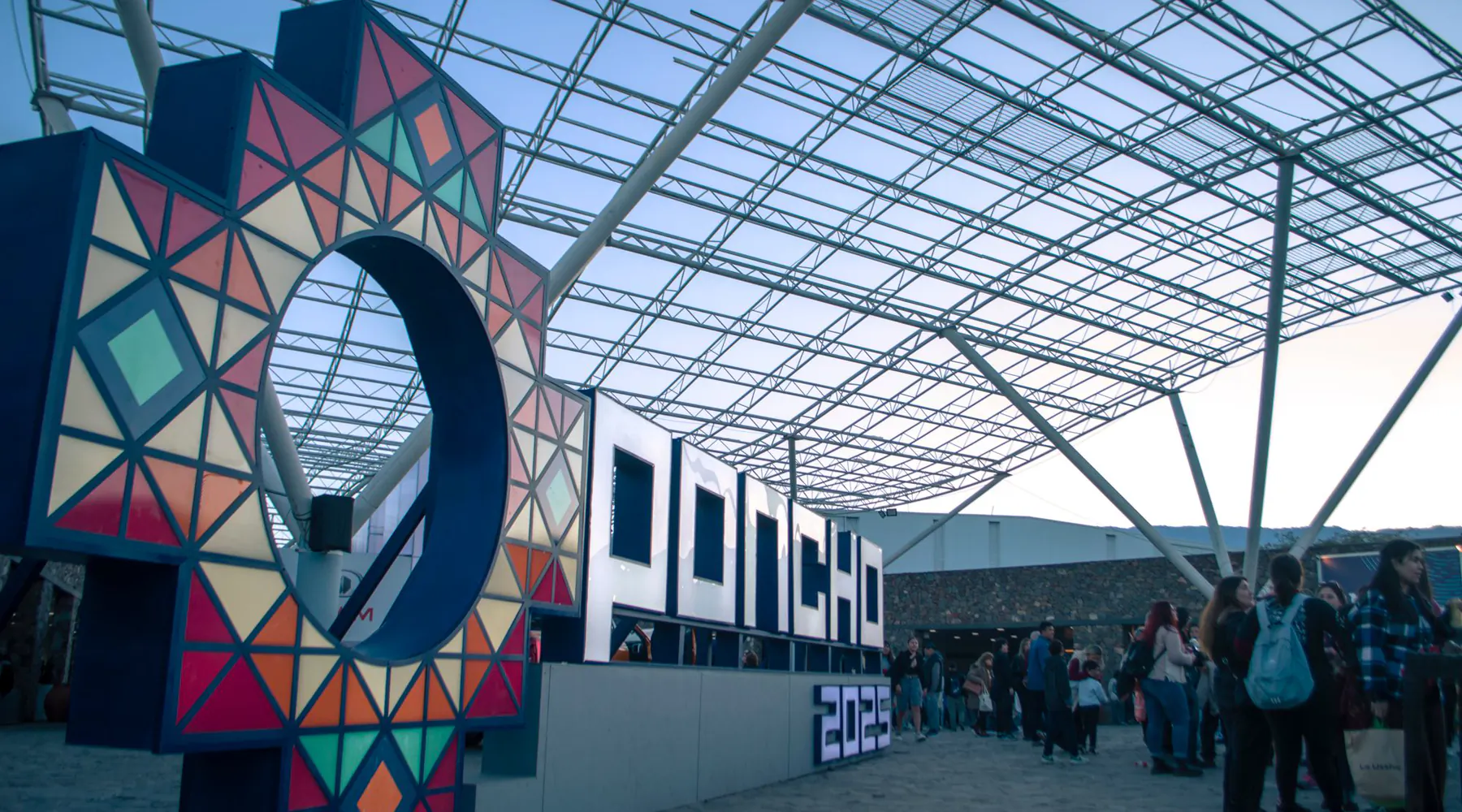
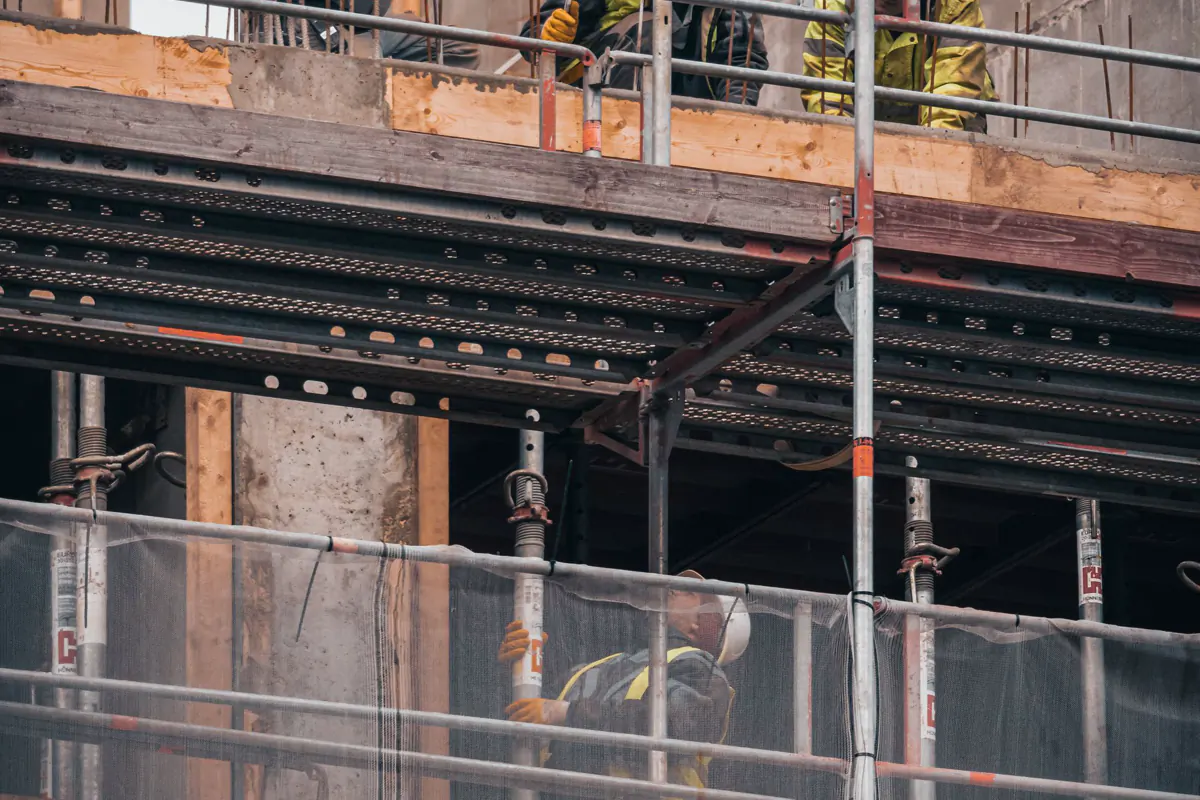
Confirm dimensions and arrival sequence; install screens and lighting; complete cabling, integration tests and on-site support. As agreed per project, the relevant teams handle these steps, which are critical to opening on schedule.Images below are illustrative and do not represent Yuqi-owned sites or publicly disclosed cases.

Work to the schedule, with no gaps between trades.
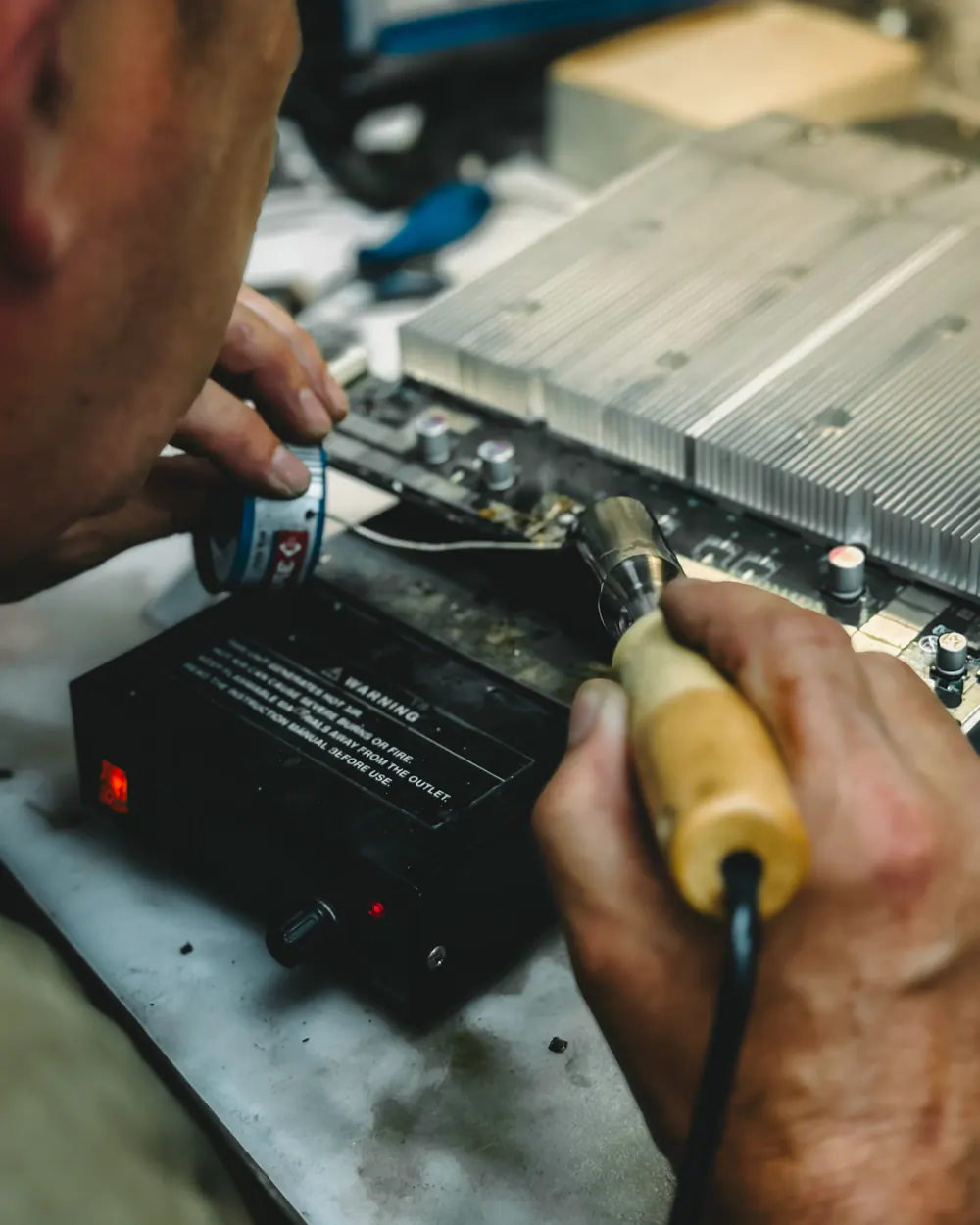
Assemble display modules and calibrate color temperature and brightness panel by panel.

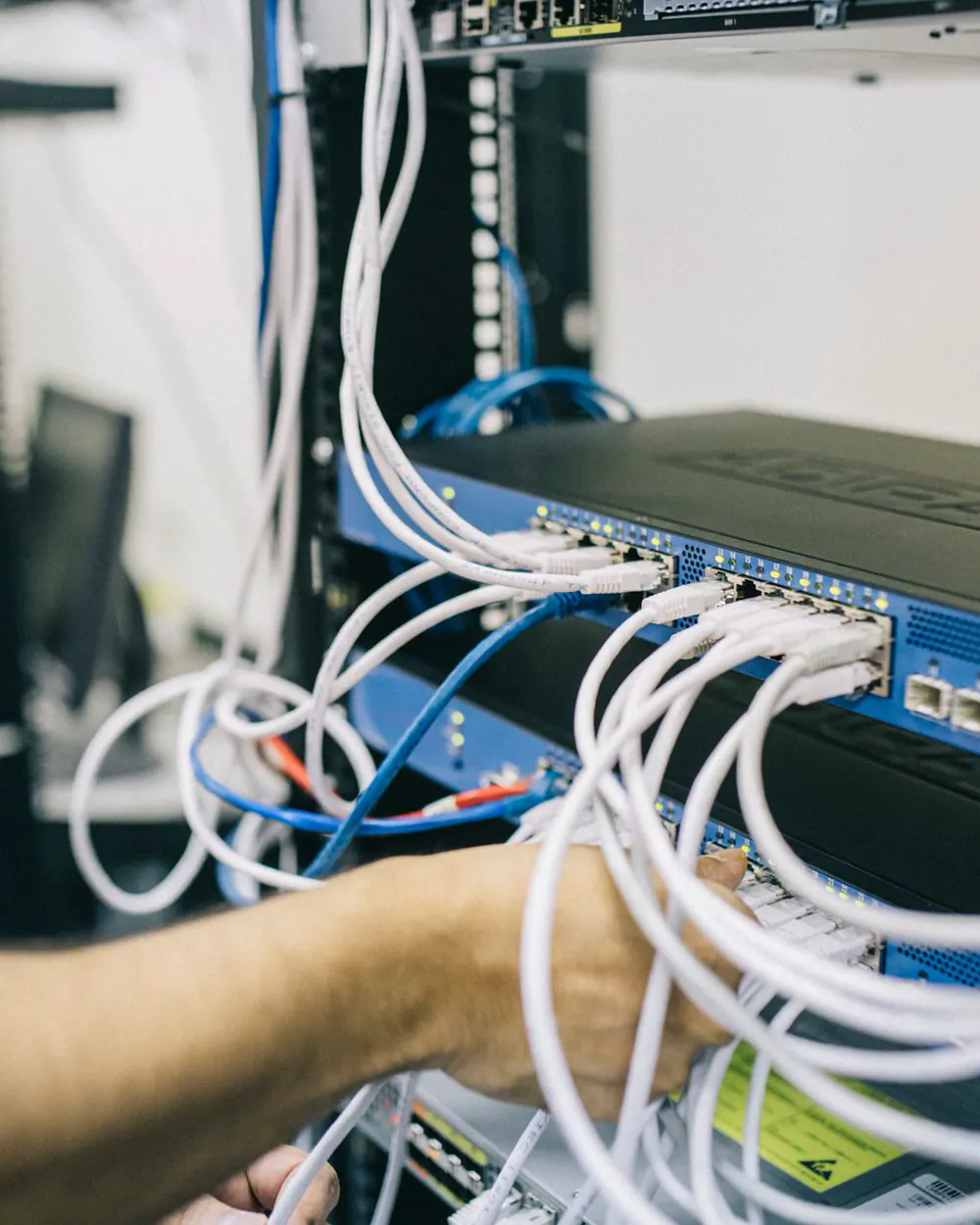
Complete cable routes, labeling and power distribution together.
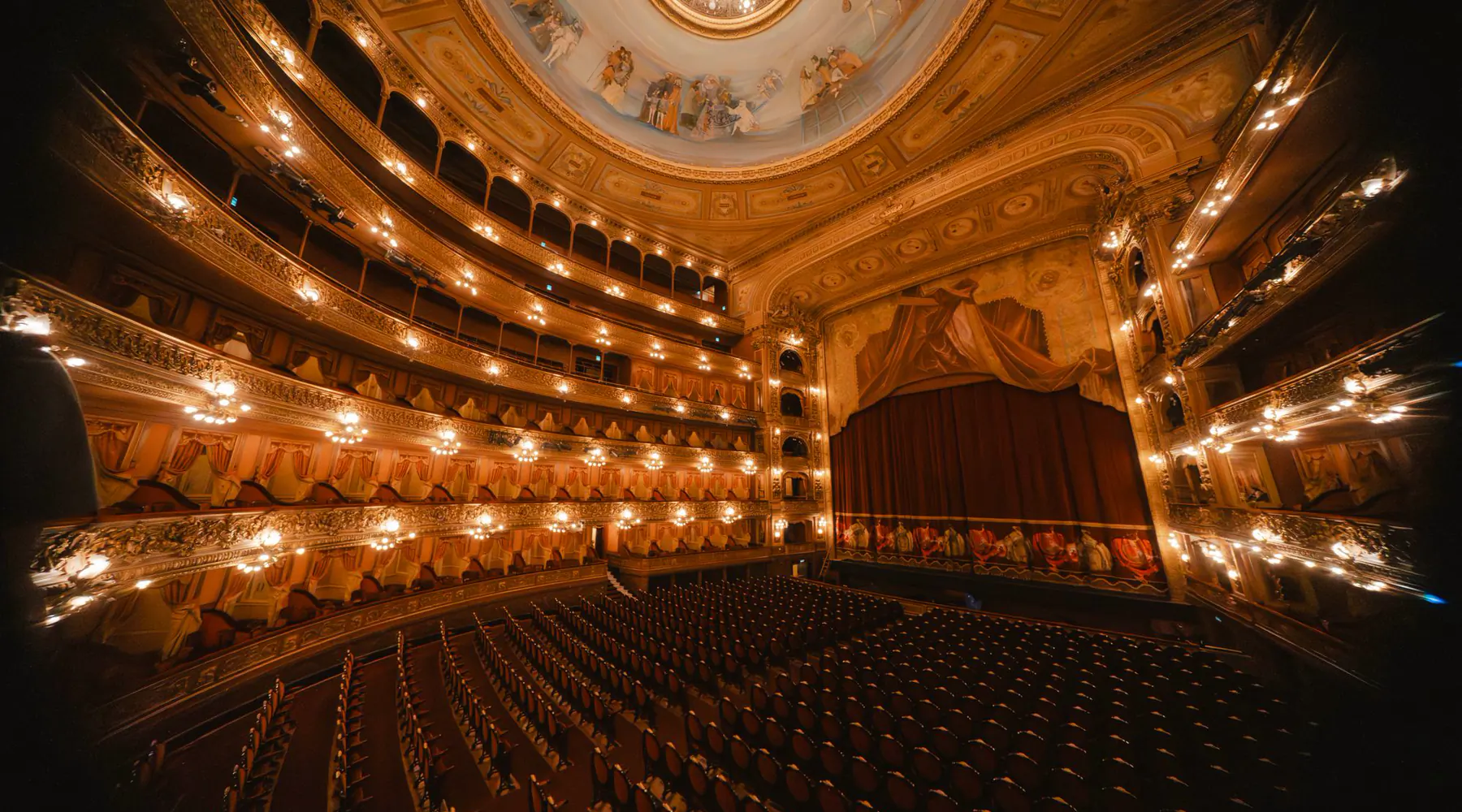
Validate the complete setup before opening and provide on-site support throughout the event.
Every item is a physical deliverable or document that can be accepted, archived and reused. Confirm the actual deliverables, milestones and scope in the project contract.
| No. | Deliverable | Phase | Content brief | Acceptance |
|---|---|---|---|---|
| 01 | Project plan | Planning | Objectives, audience, messaging, content structure and execution plan. | □ |
| 02 | Creative and visual concept | Planning | Complete guidelines for the key visual, colors, typography and graphic system. | □ |
| 03 | Spatial concept and renderings | Planning | Visual approval of floor plan, circulation, elevations, materials and lighting mood. | □ |
| 04 | Budget and schedule | Planning | Itemized quote, payment milestones and project schedule. | □ |
| 05 | Detailed construction drawings | Implementation | Structural details, materials, equipment locations and power and low-voltage routes. | □ |
| 06 | Equipment list / BOM | Implementation | Models and quantities for LED, lighting, audio, networking and control systems. | □ |
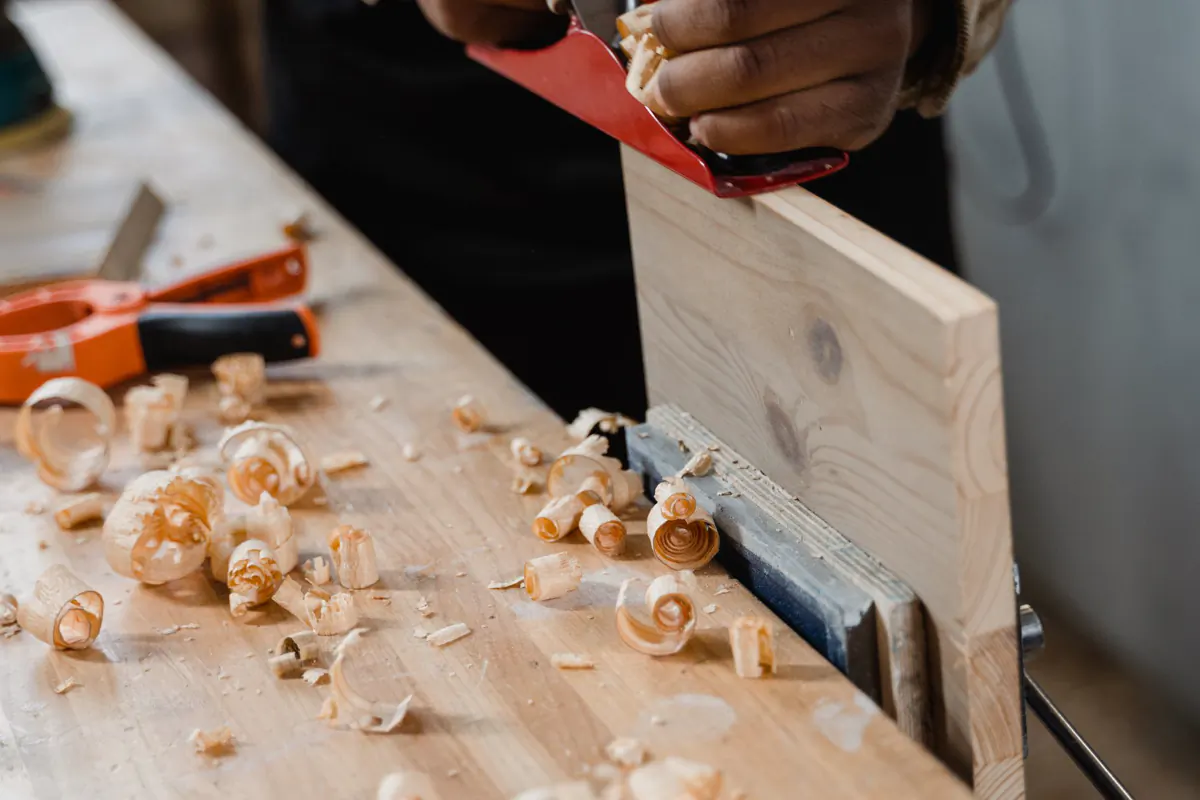
| 07 | Fabrication and on-site construction | Implementation | Factory fabrication, on-site build, finishing, installation and cleanup. | □ |
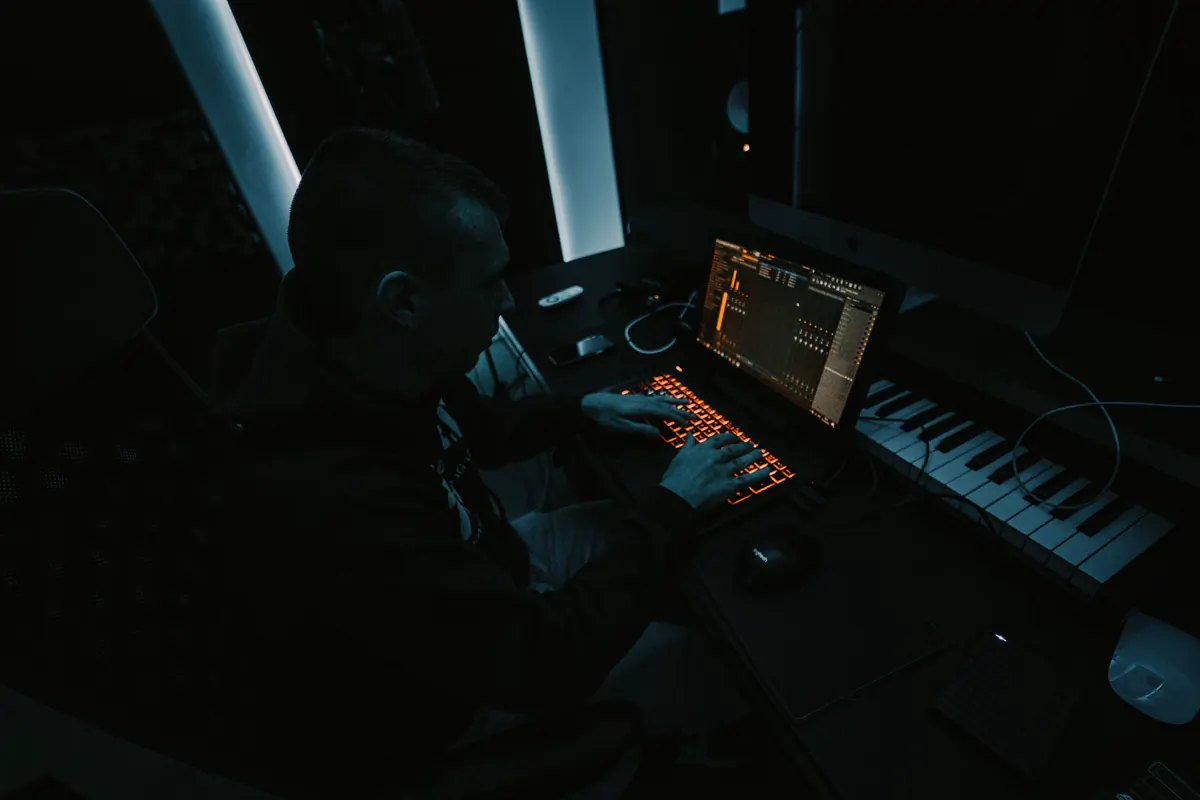
| 08 | System deployment and integration testing | Implementation | Integrated commissioning of screens, audio, lighting, network and control systems. | □ |
| 09 | On-site execution | Events | Rehearsals, run-of-show control, technical support and contingency planning. | □ |
| 10 | Video and livestreaming | Events | Photography, video, directing and livestream output. | □ |
| 11 | Image and video assets | Delivery | Deliver retouched and edited content in formats suited to its intended use. | □ |
| 12 | Design source files | Delivery | AI / PSD / CAD / 3D source files, reusable for future work. | □ |
| 13 | Equipment and system documentation | Delivery | Equipment lists, topology, accounts, and operating and maintenance instructions. | □ |
| 14 | Acceptance documentation | Delivery | Acceptance forms, test records and corrective-action closeout records. | □ |
| 15 | Ongoing maintenance support | Delivery | Maintenance response, content updates, expansion and upgrades. | □ |
Each scenario can follow the same workflow: plan → design → fabricate → execute on site → accept and maintain.Images and scene labels illustrate service scope and do not represent publicly disclosed Yuqi project results.
From requirements discussion through acceptance, every step has defined deliverables and sign-off milestones.
The project lead follows up within the agreed contract scopeProceed to the next phase after milestone sign-offLock schedule and budget before work begins

Start a Project
Share the venue, schedule and objective; one project team will coordinate the remaining work.